
Services


CURRICULUM MANAGEMENT


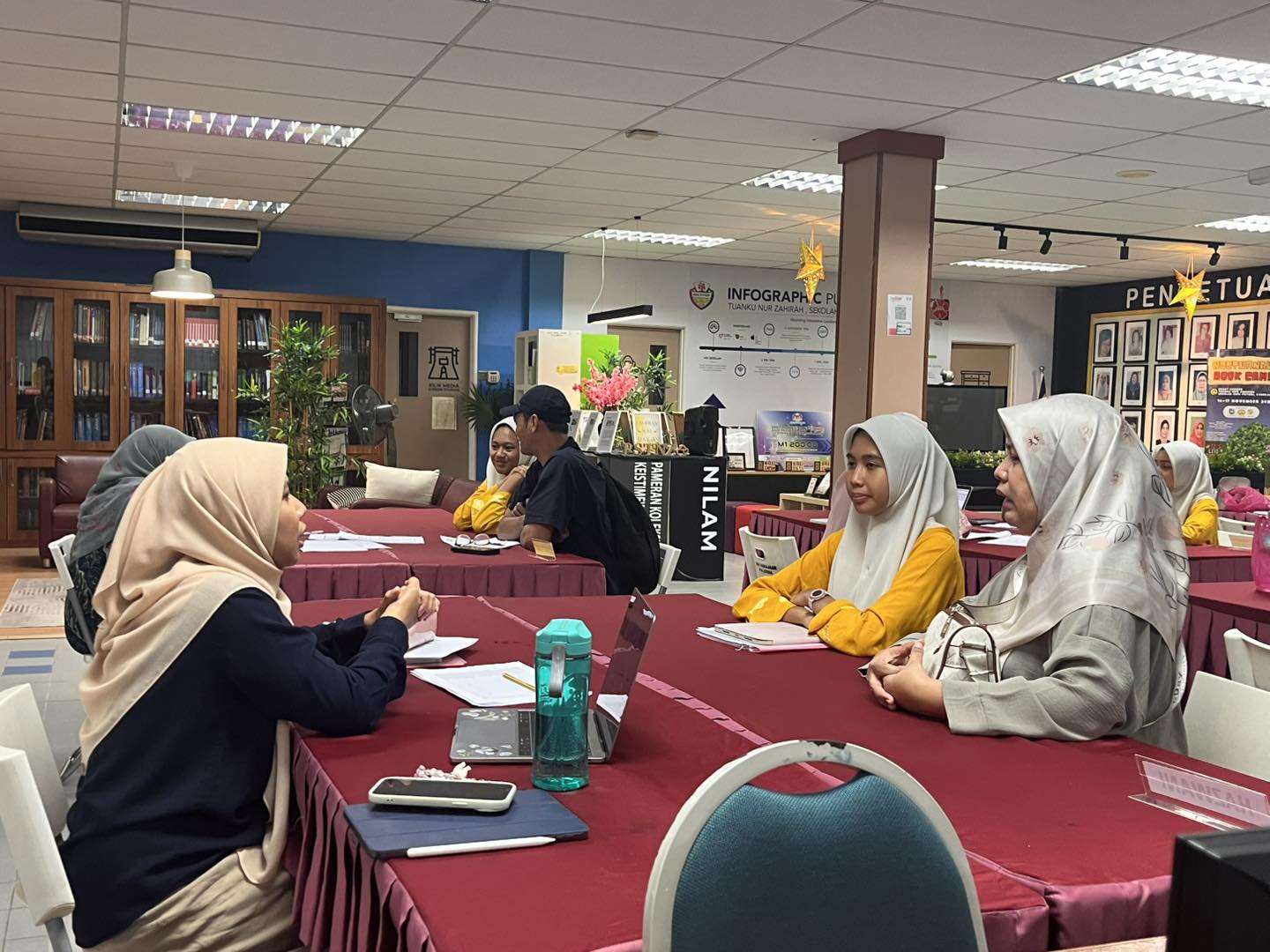
The School Curriculum Committee functions as the highest academic body and plays a crucial role in ensuring that the implementation of curriculum management in the school is effective and of high quality. All divisions/units under the School Curriculum Committee are directly responsible for enhancing the school’s academic performance.


OBJECTIVES

  • To enhance curriculum management so that it is systematic and effective.

  • To internalize and implement the School Curriculum Policy.

  • To understand and carry out each scope of duty so that implementation is aligned with established quality standards.


SCHOOL CURRICULUM POLICY

To determine and coordinate all school curriculum policies to ensure alignment with the policies set by the State Education Department (JPN), the Ministry of Education Malaysia (MOE) and the Education Act.

Meetings

  • To conduct School Curriculum Committee meetings at least four times a year.

  • To set the schedule for subject panel meetings at least four times a year.

  • To establish a filing system and document formats for the School Curriculum Committee and subject panels.

Syllabus / Lesson Planning

  • To establish policies for the preparation of the Annual Teaching Plan (RPT), syllabus descriptions, and methods for preparing the Teaching Record.

  • To provide guidelines on the types of books, materials, and reference tools that may be used in lesson planning.

Timetable

  • To determine school operating hours.

  • To establish the timetable system.

  • To set policies on the distribution of teaching duties and teaching periods for the preparation of the master timetable and individual timetables.

  • To establish policies for the preparation and implementation of relief timetables.

Assessment and Examinations

To establish a school assessment and examination management system covering:

  • Types of assessment (formative, summative, coursework, oral tests, etc.).

  • Number and assessment calendar, including formats (question types, duration and marking schemes).

  • Pass requirements.

  • Target groups and Test Specification Table (JPU).

  • Examination supervision.

  • Headcount analysis.

Budget Allocation

  • To establish annual expenditure policies using government funds, SUWA and other sources for each subject panel/unit.

  • To determine policies on procurement, usage, maintenance, write-off and disposal of equipment and infrastructure facilities.

Monitoring

To establish effective monitoring policies and systems for

  1. Teaching and learning (T&L)
  2. Subject panel management

  3. Examinations and assessment

  4. Timetable management

  5. Financial management:

  6. Specialised rooms:

  • To appoint monitoring committees.
  • To set monitoring schedules.


STUDENT AFFAIRS MANAGEMENT (HEM)


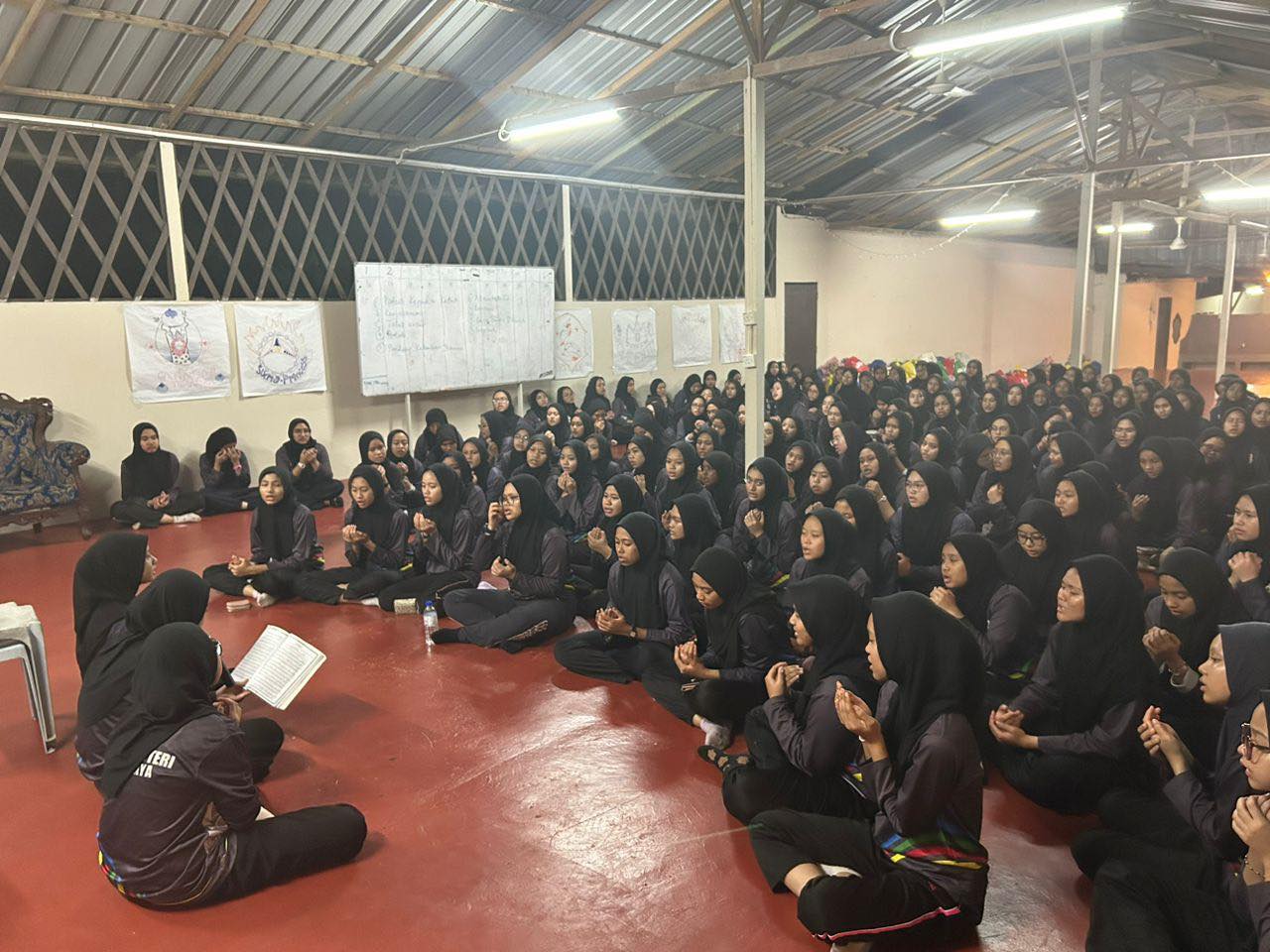
The Student Affairs Unit is a unit within SEMESTA that is responsible for managing and overseeing students’ welfare. The scope of welfare under this unit is divided into seven (7) sub-units, namely:

  • Guidance and Counselling

  • Discipline

  • Sponsorships and Scholarships

  • Textbook Loan Scheme

  • Hostel

  • Health

  • Welfare

THE STUDENT AFFAIRS UNIT IS COMMITED TO:

  • Nurturing positive values and good disciplinary practices among students.

  • Enhancing a conducive teaching and learning environment, as well as improving students’ spiritual and academic performance.

  • Planning and coordinating all activities and programs related to Guidance and Counselling Services.

  • Implementing the National Education Policy and the New Economic Policy effectively through Scholarship Assistance Schemes and the Textbook Loan Scheme, ensuring that all students benefit from these initiatives.

  • Providing educational assistance based on specific eligibility criteria.

  • Managing and providing hostel facilities with a strong focus on students’ welfare.


CO-CURRICULAR MANAGEMENT


OBJECTIVES

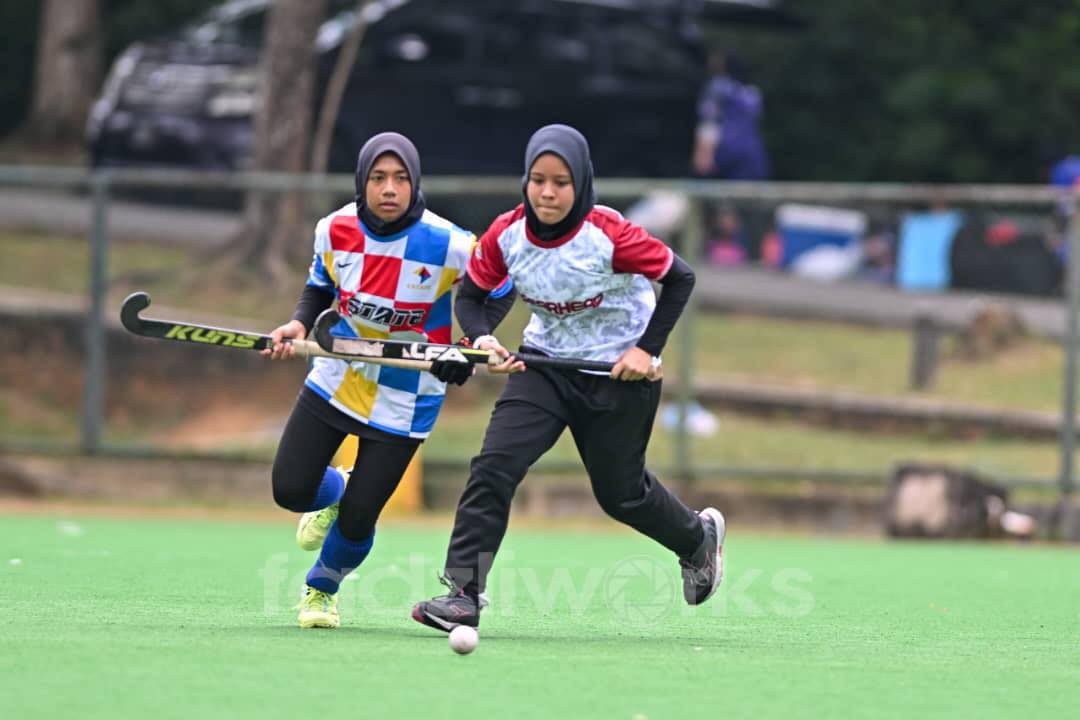
  • To fulfil students’ needs in terms of mental, physical, and social development, while instilling desired spiritual, moral, and ethical values in line with the aspirations of the Rukun Negara and the National Education Philosophy.

  • To foster unity and a sense of belonging (esprit de corps) among students of diverse races, ethnicities, and religions, and to develop well-rounded human capital.

  • To train students to be responsible, independent, disciplined, and to nurture their leadership potential.

  • To provide opportunities for students to acquire skills and further enhance their achievements in the fields they participate in.

  • To create a healthy school environment that supports balanced physical and spiritual growth among students.

FUNCTIONS

The primary function of the Co-Curricular Unit is to realise the National Education Philosophy through the following:

  • Cultivating students’ awareness of religion and belief in God.

  • Balancing mental development with spiritual, physical, and emotional growth.

  • Strengthening relationships and social interaction among students within the school and with other schools.

  • Developing and enhancing students’ interests and talents through co-curricular activities.

  • Creating an engaging, enjoyable, and values-driven school culture.

  • Building and strengthening cooperation and two-way relationships between the school and the community.

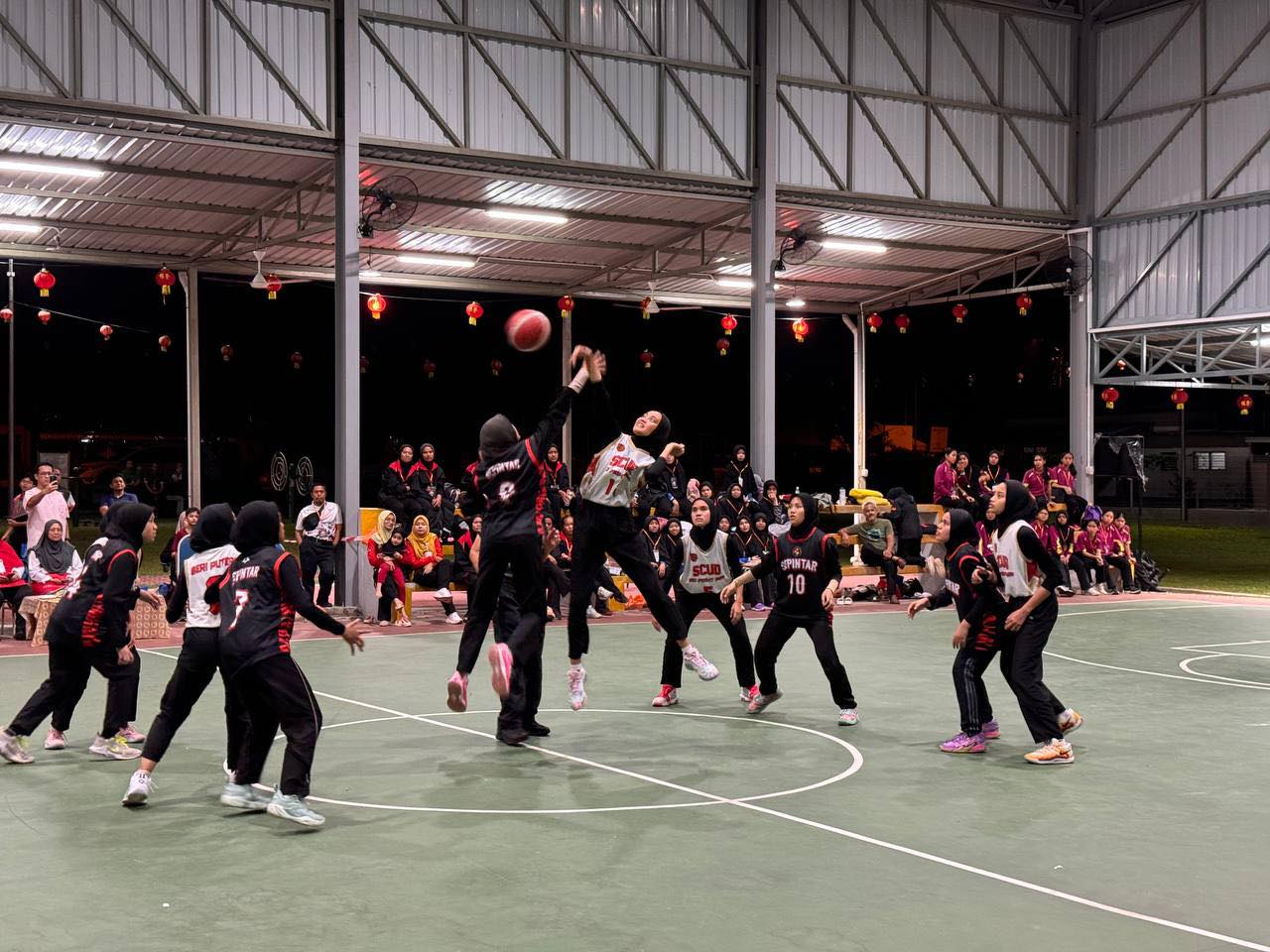
  • Managing, supervising, and coordinating co-curricular programmes, activities, and competitions.

  • Managing and maintaining co-curricular data and information.

  • Conducting monitoring and evaluation of co-curricular activities within the school.